Asimetric Consultants Where Illusions Take Forms

Asimetric Consultants Where Illusions Take Forms
Edit Template

EXPERTISE

ARCHITECTURE

ARCHITECTURE

Architecture is the art of crafting captivating spaces that not only inspire but also seamlessly serve
their purpose. Nature is our guiding principle, influencing our designs with its organic forms and
harmonious balance. Every project is unique, demanding a tailored approach that considers the
project’s essence, user experience, and local climate. By understanding the interplay of sun, wind,
and local resources, we create buildings that are not only efficient but also comfortable and
sustainable.

CLIMATE AND SUSTAINABLE DESIGN

CLIMATE AND SUSTAINABLE DESIGN

Sustainable design is a holistic approach to architecture that prioritizes environmental responsibility and human well-being. By minimizing a building’s ecological footprint and optimizing resource efficiency, sustainable design creates healthier, more resilient structures. While initial investments and material limitations can be hurdles, the long-term benefits—including energy savings, improved indoor air quality, and reduced environmental impact—make it an essential component of our architecture design approch.
INTERIORS

INTERIOR

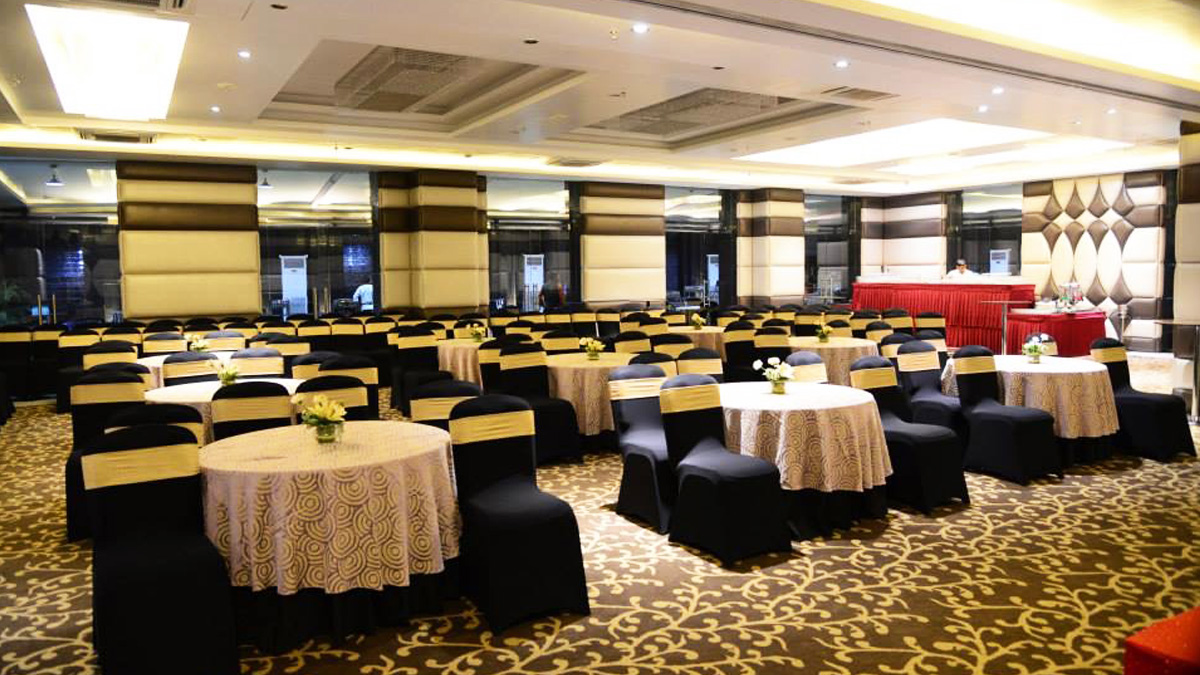
Every interior space is a unique entity, shaped by the distinctive lifestyle, aspirations, and functional requirements of its inhabitants. The art of interior design lies in translating these individual needs and desires into tangible, harmonious spaces. From the initial concept to the final touches, the design process is a collaborative journey that respects the client’s vision while optimizing the space’s potential.This personalized approach ensures that each interior is not merely a collection of elements but a reflection of the people who will inhabit it, creating environments that are both aesthetically pleasing and deeply resonant with their occupants.
URBAN AND LANDSCAPE DESIGN

URBAN AND LANDSCAPE DESIGN

Urban and landscape designers face complex challenges such as rapid urbanization, climate change, and social inequality. However, these challenges also present opportunities for innovative solutions. By creating vibrant, resilient, and equitable cities, we significantly improve quality of life for residents.
SITE SURVEY

SITE SURVEY

A site survey is the foundational step in the architectural design process. It involves a meticulous examination of a plot to comprehensively understand its physical attributes. By scrutinizing the site’s topography, existing structures, vegetation, soil composition, utility infrastructure, and environmental conditions, designers can make informed decisions. This in-depth analysis is crucial for determining a site’s suitability for a proposed project, identifying potential challenges, and estimating the necessary resources. The data gleaned from a site survey serves as the bedrock upon which the design process is built, ensuring that the final product harmoniously integrates with its surroundings while addressing practical considerations.
INDUSTRIAL

INDUSTRIAL DESIGN

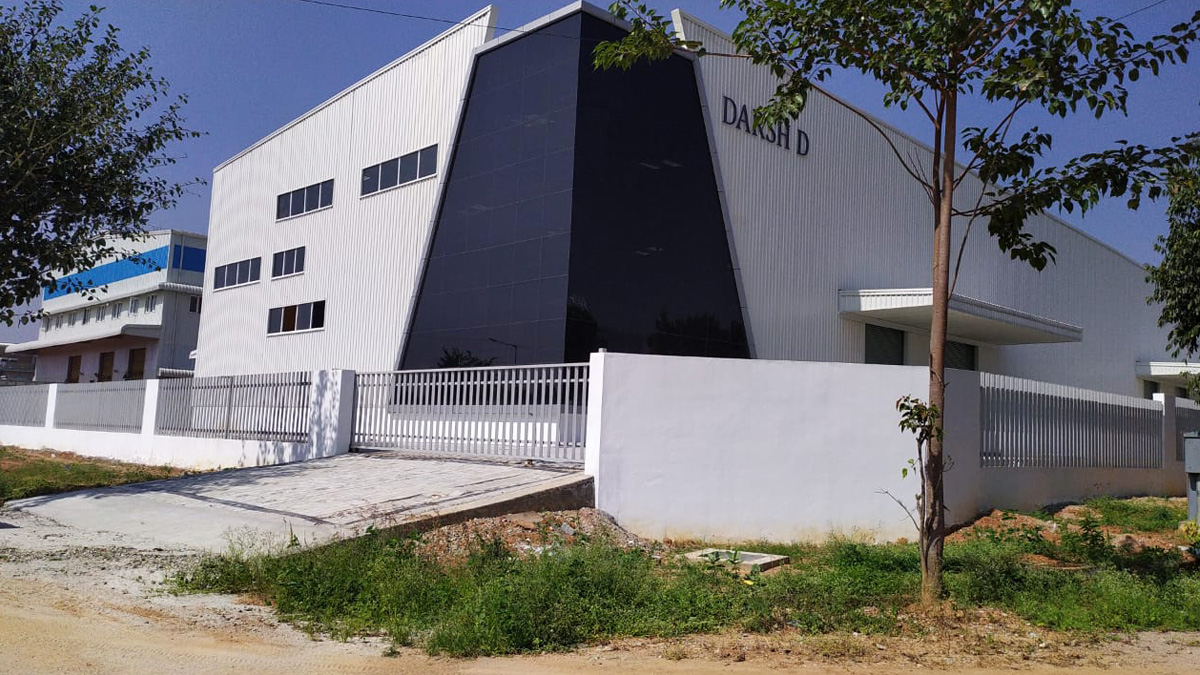
Industrial design is an indispensable component in crafting holistic and human-centered environments. By focusing on product utility, aesthetics, and user experience, industrial designers contribute significantly to the overall ambiance and functionality of spaces.
INSTITUTIONAL

INSTITUTIONAL DESIGN

Institutional design presents unique challenges, including complex program requirements, stringent regulations, and the need to balance functionality with aesthetics. However, it also offers opportunities to create impactful spaces that positively influence people’s lives
HOSPITALITY

HOSPITALITY DESIGN

Hospitality design presents unique challenges such as balancing aesthetics with functionality, meeting diverse guest needs, and staying competitive in a dynamic market. However, it also offers opportunities to create innovative and memorable experiences.
TECHNOLOGY AND RESEARCH

TECHNOLOGY AND RESEARCH

The integration of technology into architecture is transforming the industry. It is enabling architects to create more complex, sustainable, and user-centric designs. As technology continues to evolve, we can expect even more groundbreaking innovations that will redefine the built environment.
WORKSPACE DESIGN

WORKSPACE DESIGN

Workspace design faces challenges such as changing work styles, technological advancements, and the need for sustainability. However, it also presents opportunities to create innovative and inspiring work environments that enhance employee satisfaction and productivity.
Scroll to Top